Why Sankofa Exists
Regardless of personal or professional settings or roles performed within them, I continued to come to one persisting truth: a truly antiracist, equitable, and trauma informed workplace is one that would require a complete overhaul of existing policies/practices/power structures, or would need to be started from the ground up with precision, care, and intention.
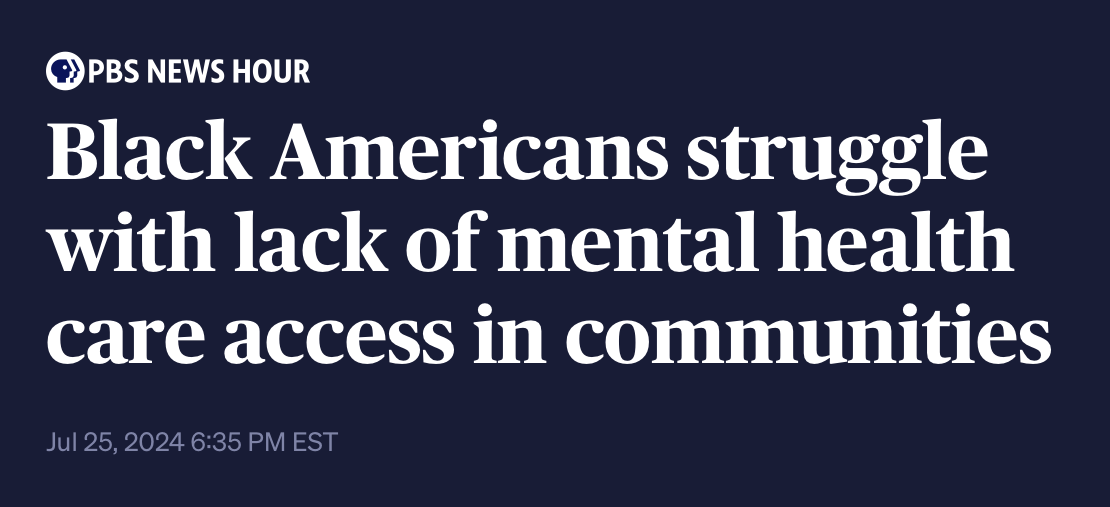
OHA releases data stating only 1% of therapists in Oregon identify as Black. Many BIPOC clinicians experienced systemic obstacles, including disproportionately high license suspension rates, frequent employment terminations, predatory contracts, improper reimbursement, and unpaid services, with many struggling to reach licensure or choosing to leave the field altogether.
These persistent barriers made it clear that a new model was needed, one that centered BIPOC clinicians and communities in ways traditional systems had failed to do. The idea of a culturally specific, trauma-informed counseling and community education practice was planted in 2014 and made reality in 2017.
Our History
A Breaking Point | July 2016
The back-to-back murders of Philando Castile and Alton Sterling in July 2016 marked a turning point. Overwhelmed by grief, rage, and an unshakable resolve, the urgency to build, reclaim, and heal within our own spaces was felt sharply. The vision for Sankofa Counseling was born.
Transition of Ownership | September 2016
The owner of a local practice announced plans to retire and offered to mentor and transfer ownership of his business to a young, emerging clinician. Negotiations to acquire and transform the practice began.
The transition process, however, ultimately proved exploitative and harmful, with initial agreements left unfulfilled. These financial and emotional setbacks significantly impacted the short-term stability of the practice. Even so, we pushed forward, determined to create a space centered on healing and liberation.
A Love Letter to the Community | June 1, 2017
Sankofa Counseling opened its doors, an act of resistance, a declaration of love, and a commitment to Black and Brown healing. Rooted in liberatory care and pro-Blackness, our mission was established: to serve the QTBIPOC community with care, excellence, intention, and protection.
Shifting the Narrative, Changing the Numbers | 2019
Within 18 months, Sankofa Counseling realigned its services to center marginalized communities. In 2019, of all clients served:
87.5% held marginalized identities
65% were people of color
60% held intersecting identities
38% were transgender, nonbinary, or gender nonconforming
20% accessed Medicaid or sliding-scale services
70% were trauma-impacted
nding through PPS’ Racial Equity and Social Justice department to provide enrichment, wellness programming, and family engagement events.
In June 2024, PPS expanded Sankofa’s contract to full capacity. The school team grew to 10 providers across eight schools for the 2024–25 school year.
Village Resiliency Is Established | 2016–2019
With 65% of Oregon’s youth experiencing trauma (OHA, 2019) and interacting with multiple adults daily, we recognized that meaningful healing required a community-wide effort. Michelle and Vanessa launched The Village Resiliency Project to address this need.
What began as an extension of Sankofa Counseling in 2016 evolved into a standalone LLC in November 2019, offering consultation, education, and workforce development to equip communities to prevent and respond to trauma within their unique spheres of impact, including education, parenting, and leadership.
Village Resiliency’s first workshops focused on increasing trauma-informed practices as a strategy to prevent provider and educator burnout. During this time, Michelle enrolled in a Master of Education program centered on educator resiliency while continuing to teach at a local high school and co-leading workshops.
Slow Your Roll: Business Preparation | 2018–2019
Following a difficult transition into ownership and a personal need for recovery, founder Vanessa paused expansion efforts. Committed to ethical leadership, she completed 350 hours in a year-long business accelerator program with Prosper Portland and began personal counseling for stress and trauma recovery.
During this period, Sankofa Counseling’s first strategic plan was developed, emphasizing alignment between the clinic’s realities and its mission to reduce mental health disparities within the Black community.
Initial Goals
Building a team with low turnover
Creating a work environment that buffers industry stress and vicarious trauma
Paying clinicians for all labor, whether billable or not
Piloting community programs once the team was established
Identifying long-term sustainability needs for staff
Graduation and a Pandemic in the Same Week | February 2020–December 2021
Vanessa graduated from her one-year business program on February 27, 2020, which became the final in-person event attended until August 2022. Michelle graduated from her Master’s program in February 2020; in-person ceremonies were canceled and Concordia University closed shortly after.
COVID-19 drastically altered Portland’s business landscape. Contracts for in-person training were canceled overnight, expansion plans were paused, growth funding disappeared, and 40% of Black-owned businesses closed.
Counseling services shifted entirely to telehealth, which had not previously been permitted by insurance. In-person sessions would not resume until August 2022.
Sankofa’s focus shifted to sustaining operations as a single private practice while continuing to pay for a physical space that could not be safely used.
COVID-19 and Everything Changed | 2020
As COVID-19 spread, the demand for crisis stabilization support and training around vicarious trauma surged. Village Resiliency was contracted by after-school providers, parenting groups, school districts, and mental health clinics.
Expanded Workshop Offerings
We’re Exhausted, Send Help: COVID-19 Edition
Caregiver Support: Survive and Thrive
Resiliency and Community Trauma
Trauma-Informed Care Foundations
Anti-Racist Practices for Workforce Development
Practical Skills for Educators
Customized Training Workshops
Summer of Black Lives | 2020
The murders of Ahmaud Arbery, Breonna Taylor, and George Floyd ignited national and global protests. Federal officers were deployed to Portland and responded to peaceful protesters with tear gas, violence, and intimidation.
Sankofa’s downtown offices placed us in direct proximity to these events, and many of our clients experienced harm during protests. We offered free counseling and partnered with local initiatives to provide care for protesters and community organizers.
At the same time, requests for BIPOC supervisors and QTBIPOC trauma therapists surged. The call to expand Sankofa’s services became unmistakable, even amid deep uncertainty around safety, resources, and sustainability.
If You Build It, They Will Come: A Leap of Faith | 2021
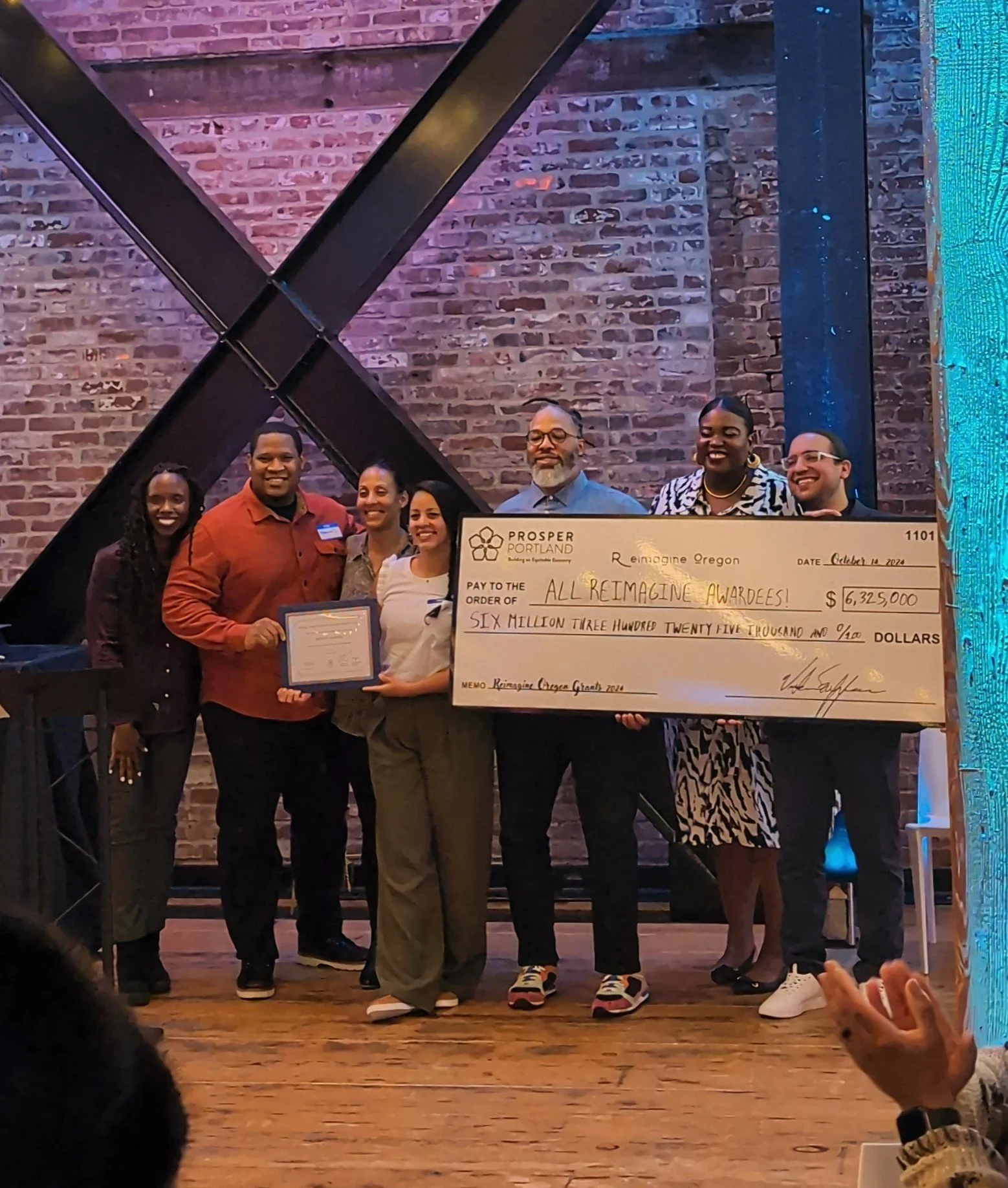
In February 2021, Sankofa submitted its first proposal to the Oregon Health Authority and was awarded a contract to provide clinical supervision for BIPOC therapists.
In June, Multnomah County awarded Sankofa a five-year contract to provide culturally specific mental health services to BIPOC families, with an emphasis on Black and African American communities.
In July 2021, Michelle joined Village Resiliency as a full-time consultant. Curriculum was formalized, facilitation skills expanded, and a full rebrand was completed for both Village Resiliency and Sankofa Counseling.
Pandemic Pivoting | December 2021
Sankofa reopened its strategic plan to reflect pandemic realities and committed to responsible, remote growth. The first interviews were held in December 2021.
A therapist associate’s inquiry prompted the creation of a new employment model, and the first three hires were therapist associates.
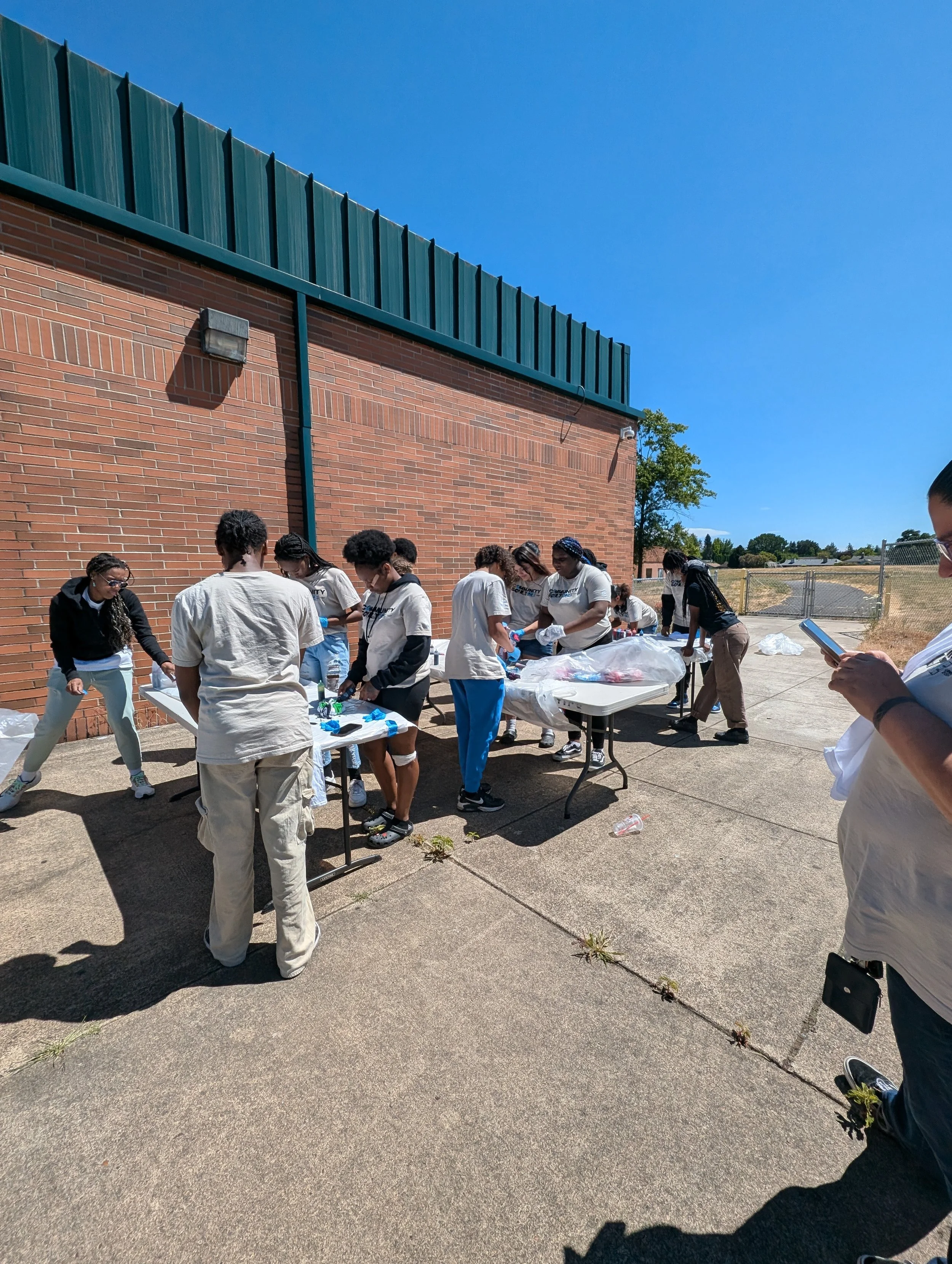
Piloting Community Events | 2023
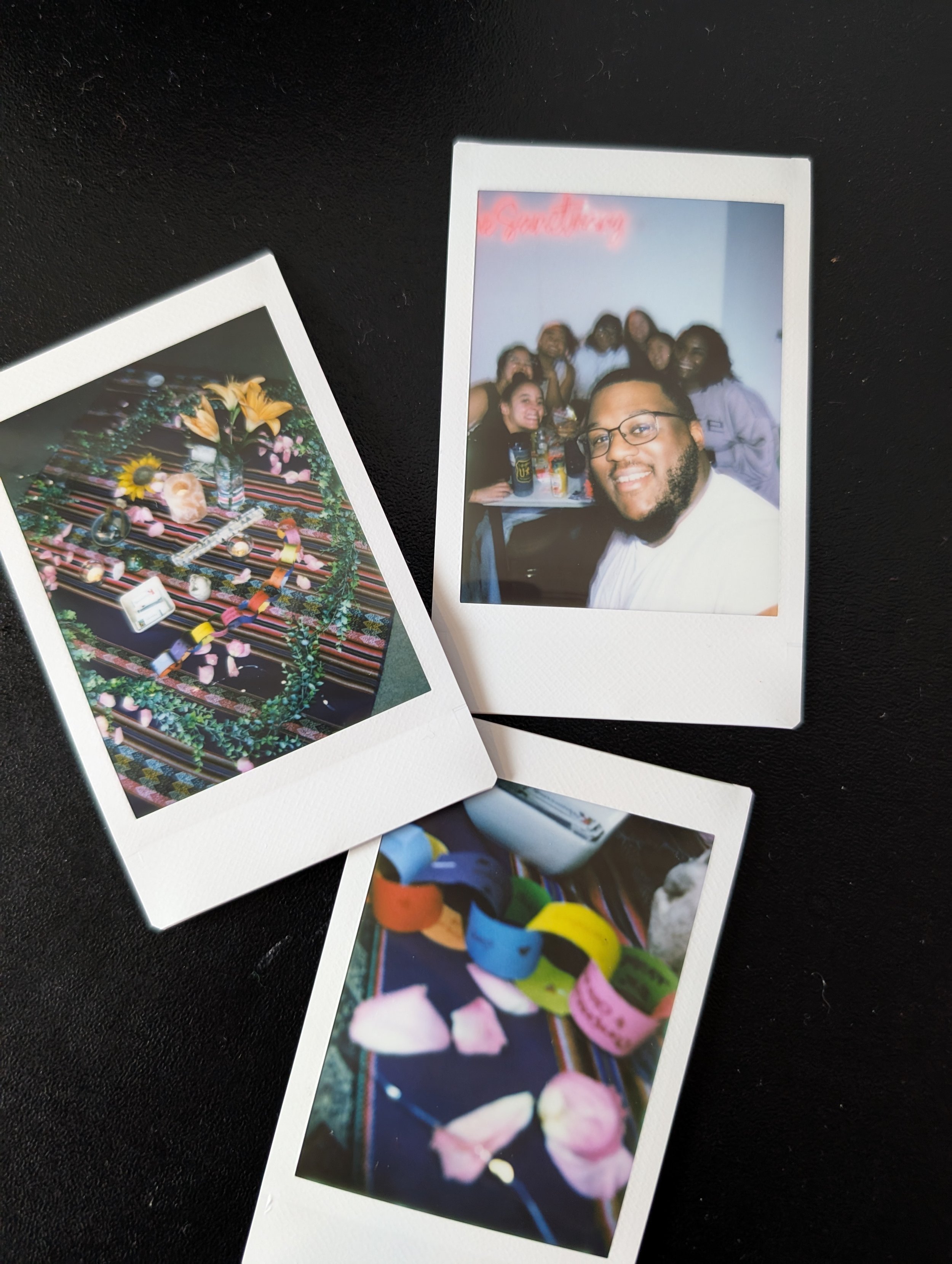
In spring 2023, LaTrece Gaither, Anjuli Shah-Johnson, Claudia Cuentas, and Michelle Gaither committed to supporting Sankofa’s first year of community programming.
Together, the team developed a framework for racially affirming, COVID-protective gatherings.
Community Programming Focus
Healing opportunities
Connection opportunities
Community engagement
From Solo Practice to Thriving Team | 2017–2024
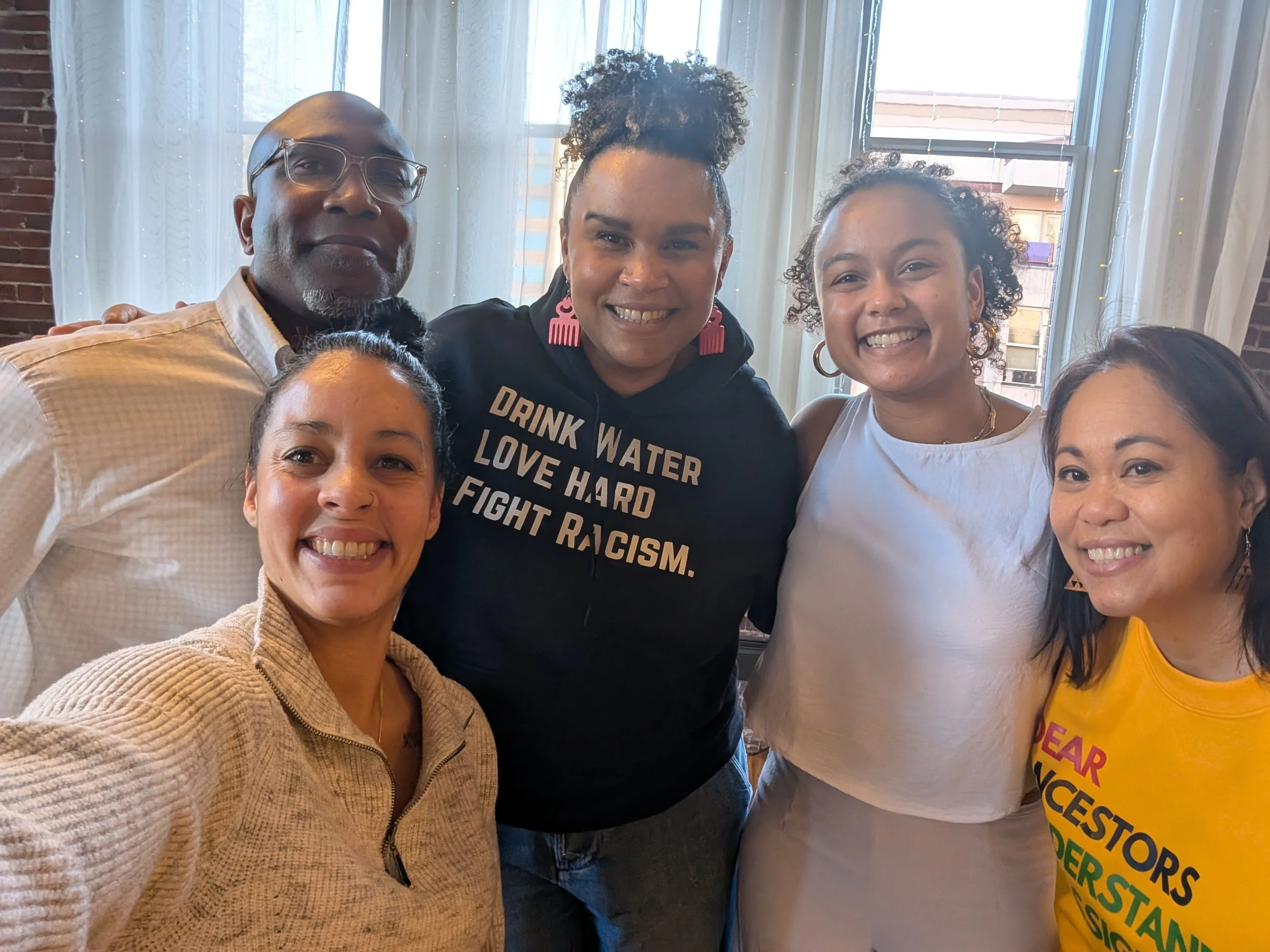
In April 2022, Sankofa expanded to a team of five, officially becoming a group practice. In 2023, Krista joined the team and strengthened operational infrastructure, including EHR migration, handbook revisions, onboarding, and training systems.
By January 2024, Sankofa grew to 13 clinicians, with 75% identifying as Black and 100% identifying as BIPOC.
In February 2024, George Fox University requested emergency placement for BIPOC practicum students and partnered with Sankofa to build supervision infrastructure for a Fall 2024 launch.
Building Clinic Programs and Partnerships | 2023–2024
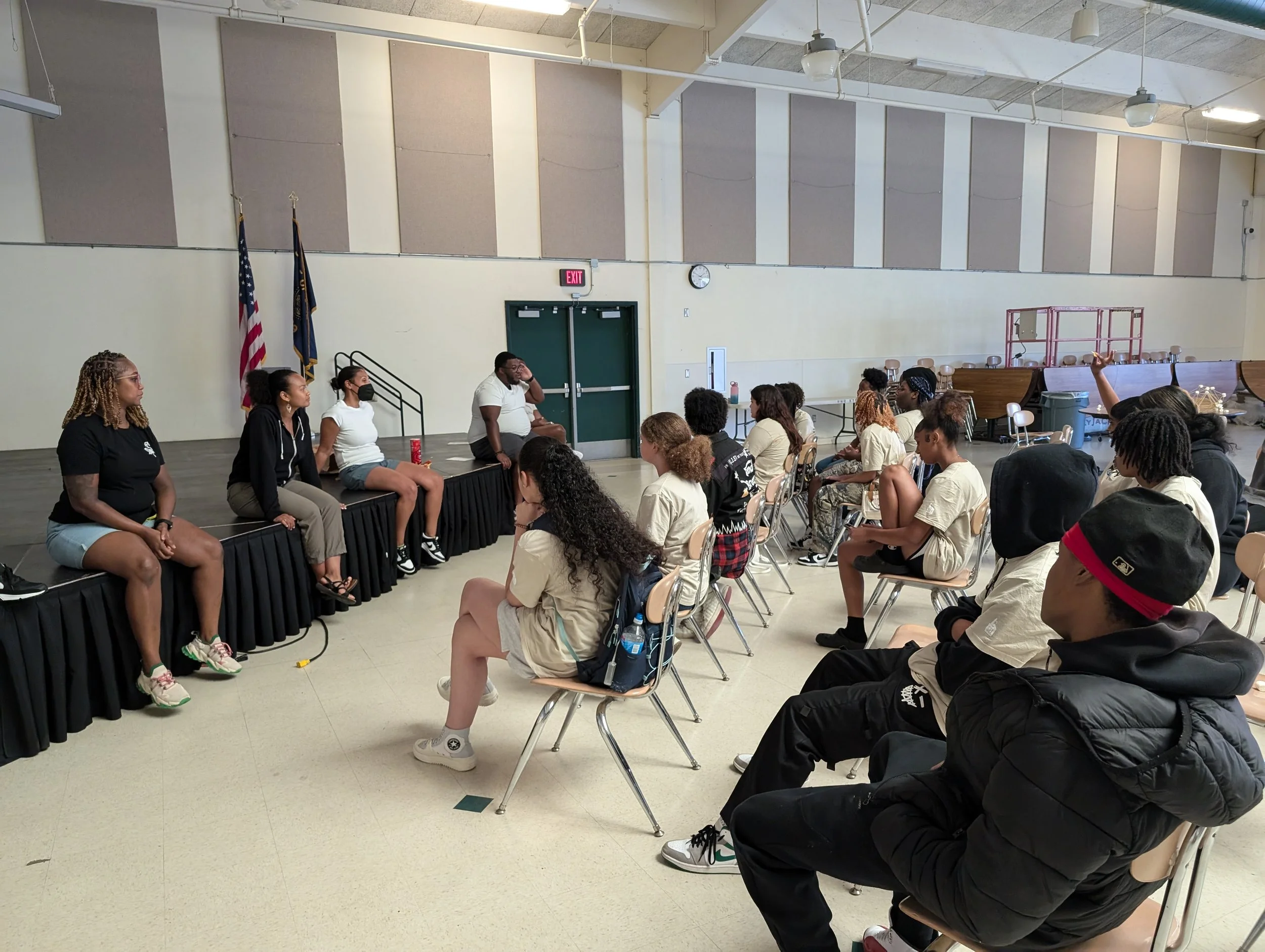
In August 2023, Portland Public Schools requested Sankofa develop a school-based counseling department. Sankofa launched services at Jefferson and Franklin High Schools during the 2023–24 school year.
In April 2024, Sankofa was awarded funding through PPS’ Racial Equity and Social Justice department to provide enrichment, wellness programming, and family engagement events.
In June 2024, PPS expanded Sankofa’s contract to full capacity. The school team grew to 10 providers across eight schools for the 2024–25 school year.
Here to Stay: Leaning Into Community | 2025
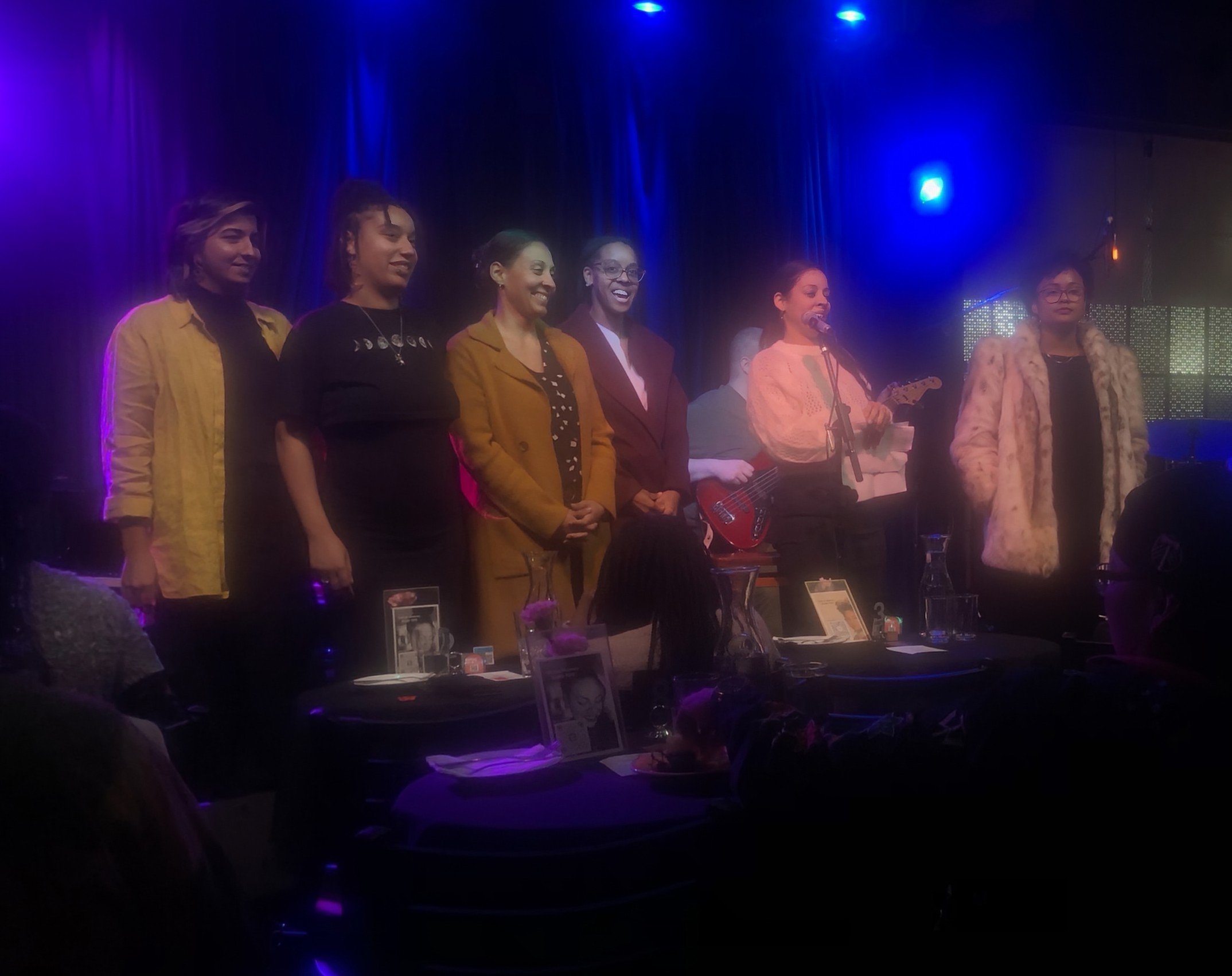
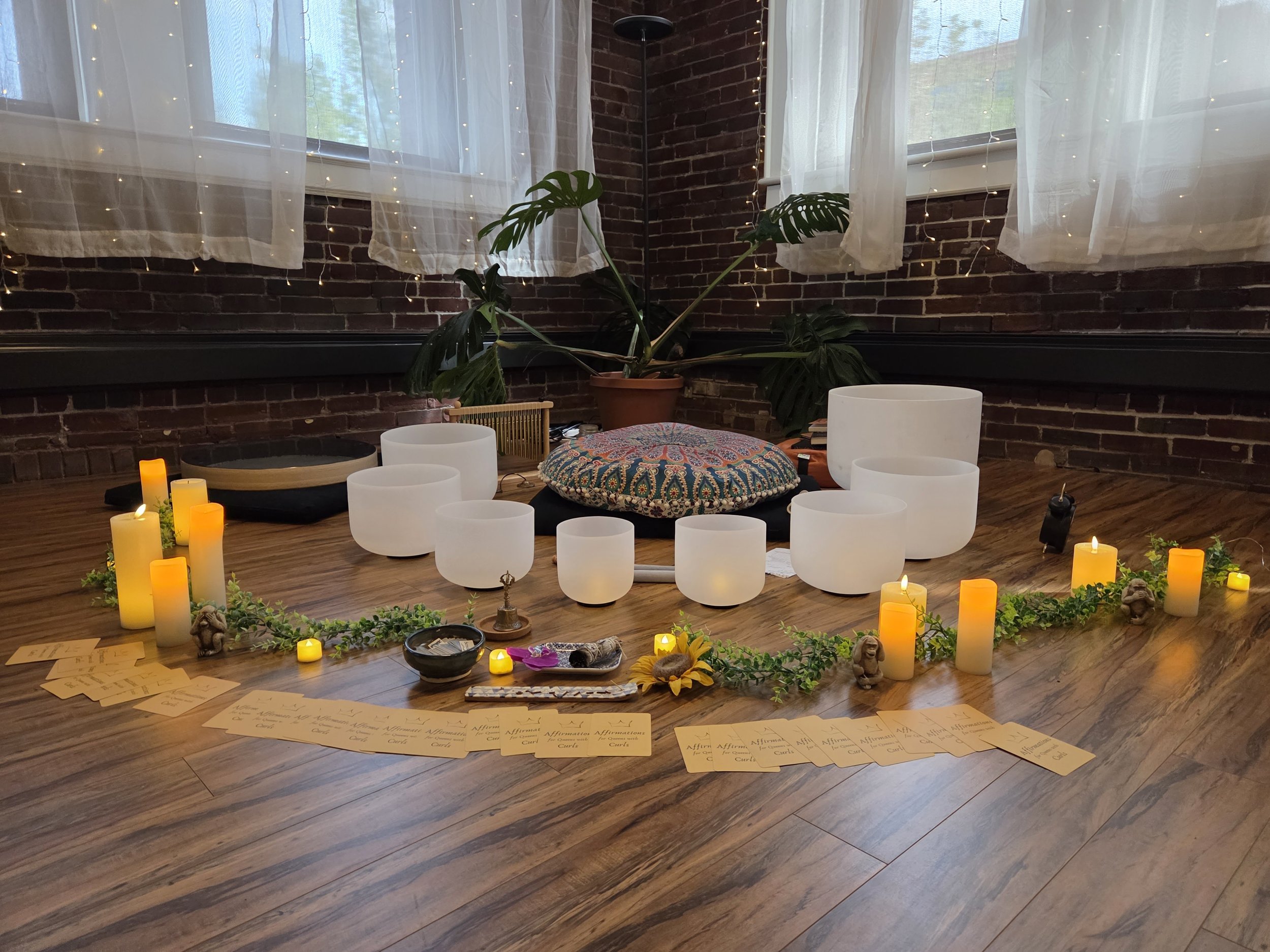
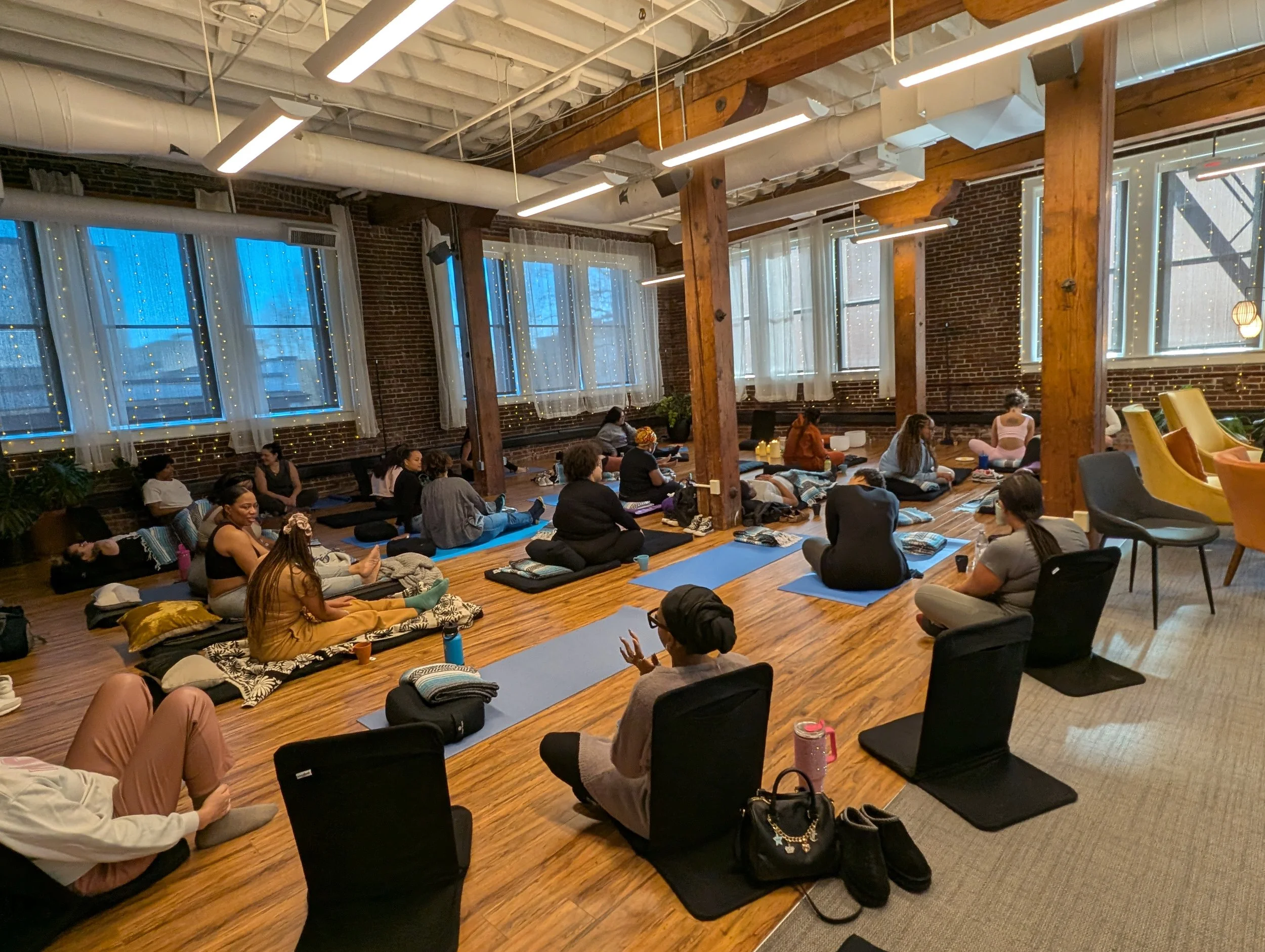
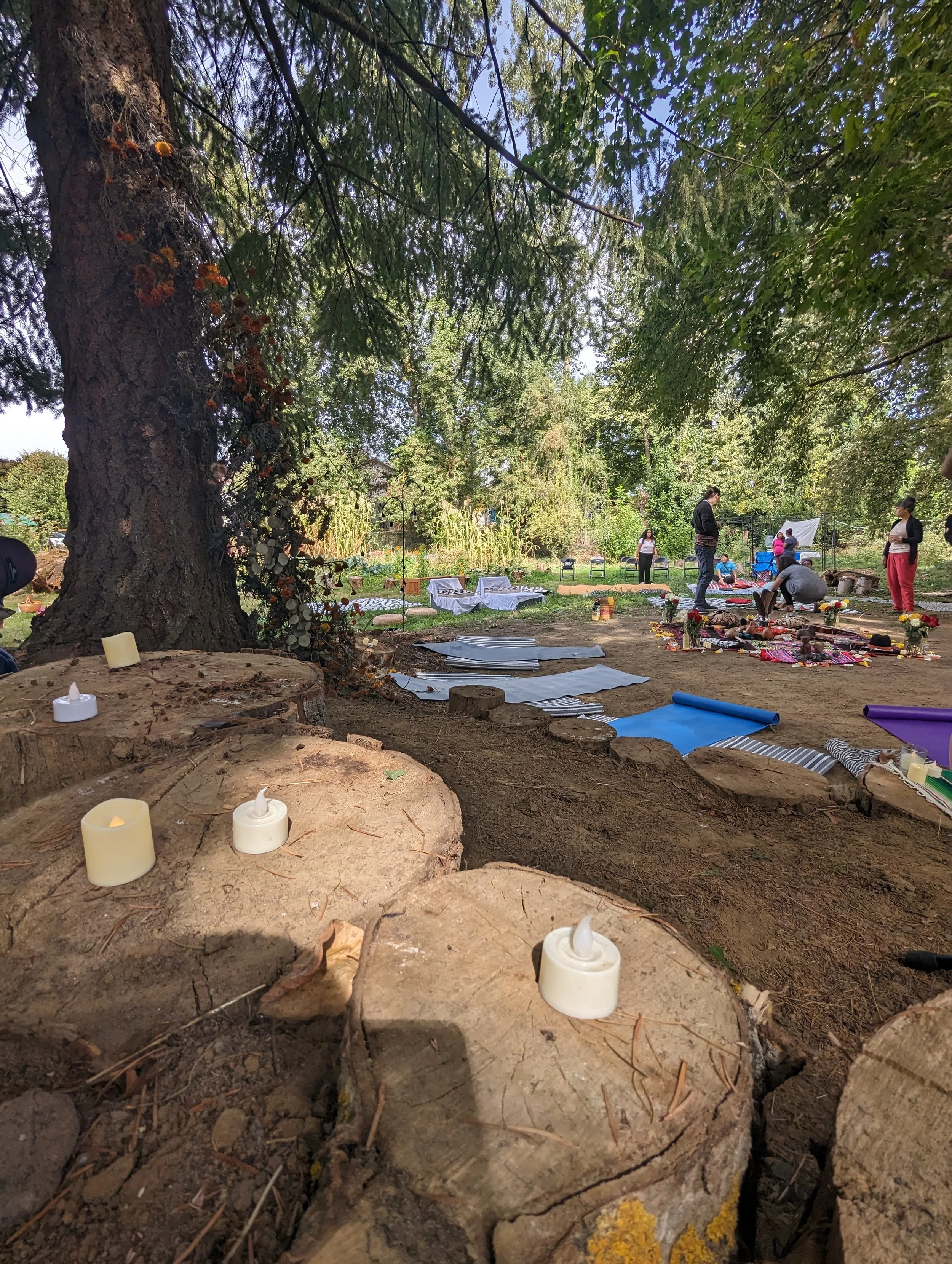
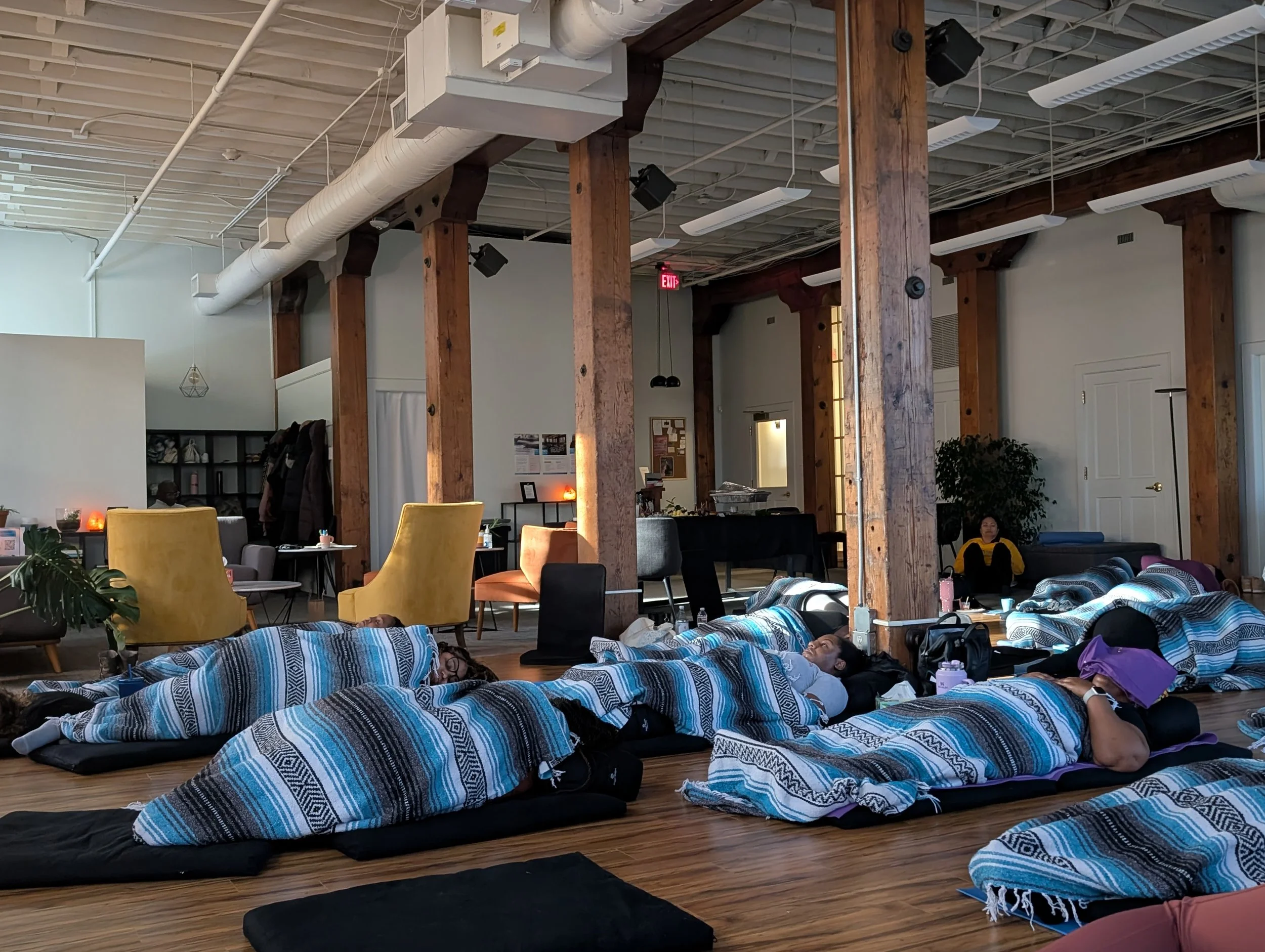
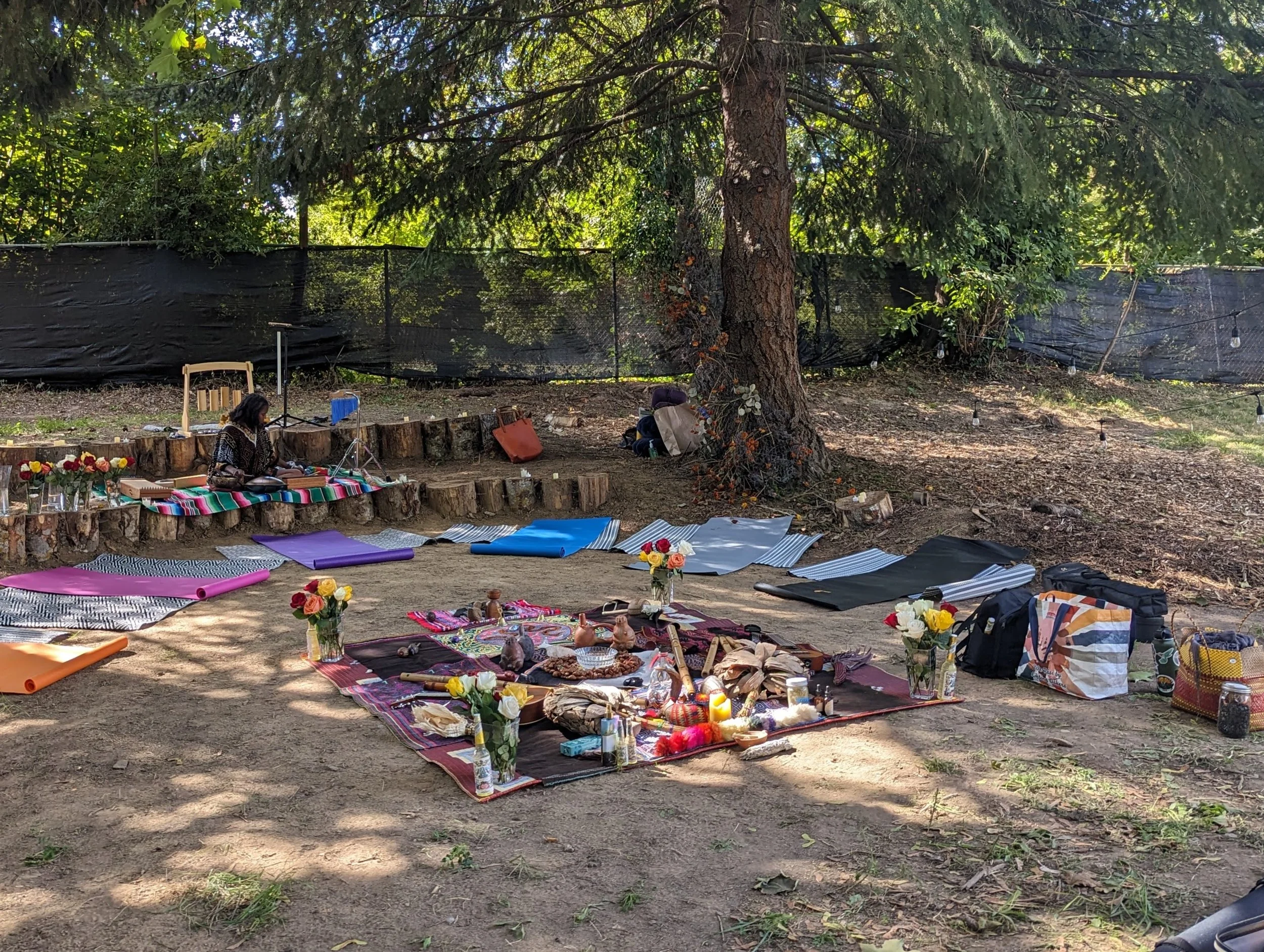
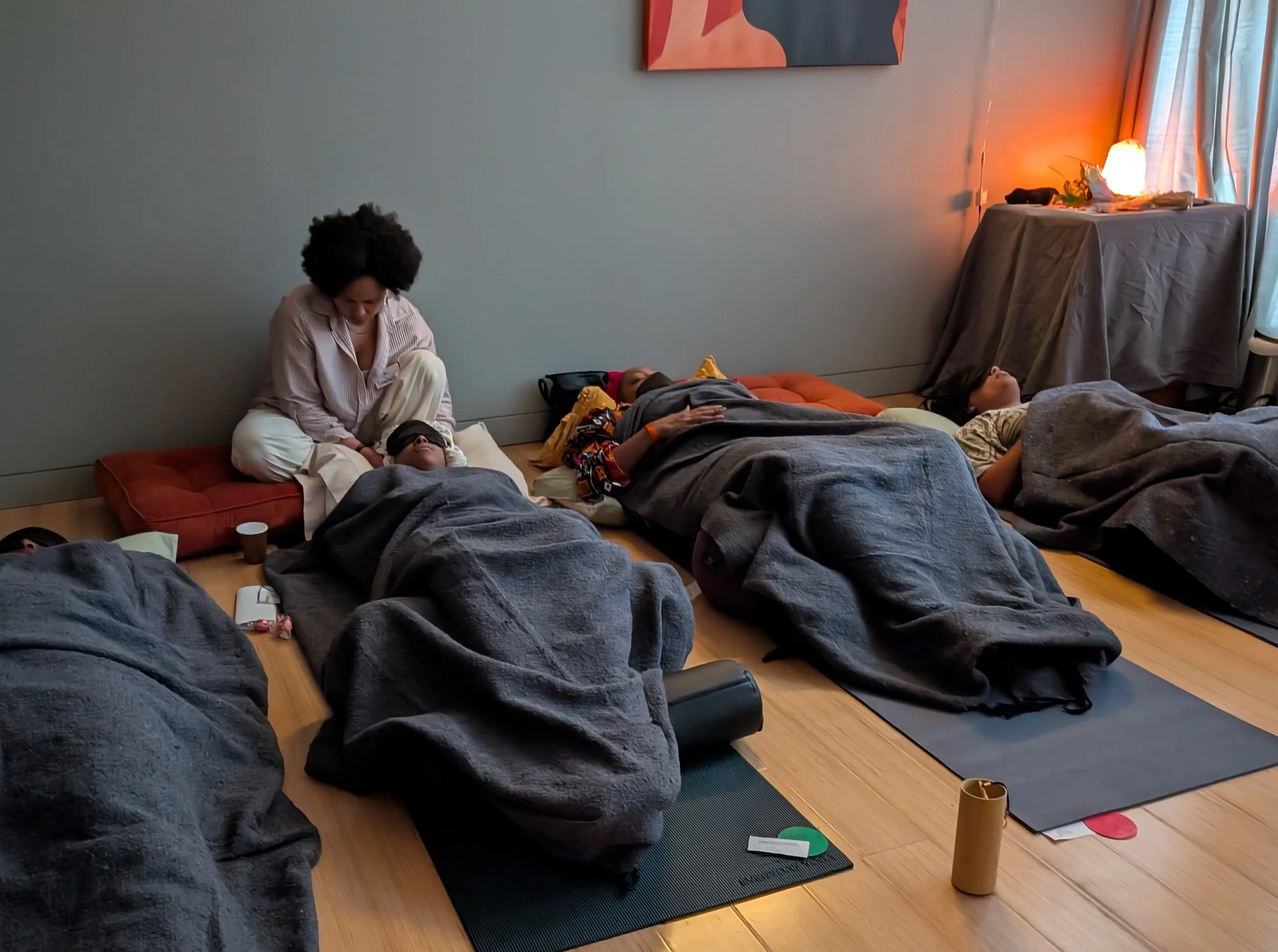
In 2025, Sankofa recommitted to joy, healing, and resistance. We co-hosted somatic rest spaces, Know Your Rights workshops, and community celebrations, including a Black History Month Night of Soul at the 1905 Jazz Club.
Internal consultation and healing spaces were established for staff. The Clinical Supervisor team completed a four-month development series, laying the groundwork for a formal Clinical Supervision Program, which launched on June 1, 2025.
Reflections and Next Steps | 2026
We are expanding programs and resources that deepen impact and align with our mission. Current initiatives include:
Grow Your Own Clinical Supervision Program
Clinician certifications in EcoTherapy, Clinical Supervision, and Somatic Experiencing
A community library for culturally relevant mental health resources
Development of a community garden focused on healing and food sovereignty
Expanded clinical supervision infrastructure to meet workforce demand
Increased digital engagement to elevate community voices and improve access
Deeper integration of mission across daily operations and team leadership